
Mid-September has been a rough stretch for AI infrastructure investors. On September 14, CoreWeave stock fell after a Bernstein analyst argued the company is most exposed if AI training demand slows. That same session, AI and “neocloud” names broadly slid on renewed AI safety worries, with CoreWeave among the hardest hit. For anyone watching only the price, the story looked grim.
But the price is not the business. The business tells a very different story.
CoreWeave reported second-quarter 2026 revenue of about $2.6 billion, up 112% year over year, and raised its full-year 2026 revenue outlook to between $12.4 billion and $13.2 billion. That came on top of a first quarter where revenue reached $2.078 billion, more than double the prior year, and the company said revenue backlog stood at $99.4 billion. By the end of Q2, the company reported revenue backlog at about $104 billion, supporting the case that infrastructure is being built against real, contracted demand.
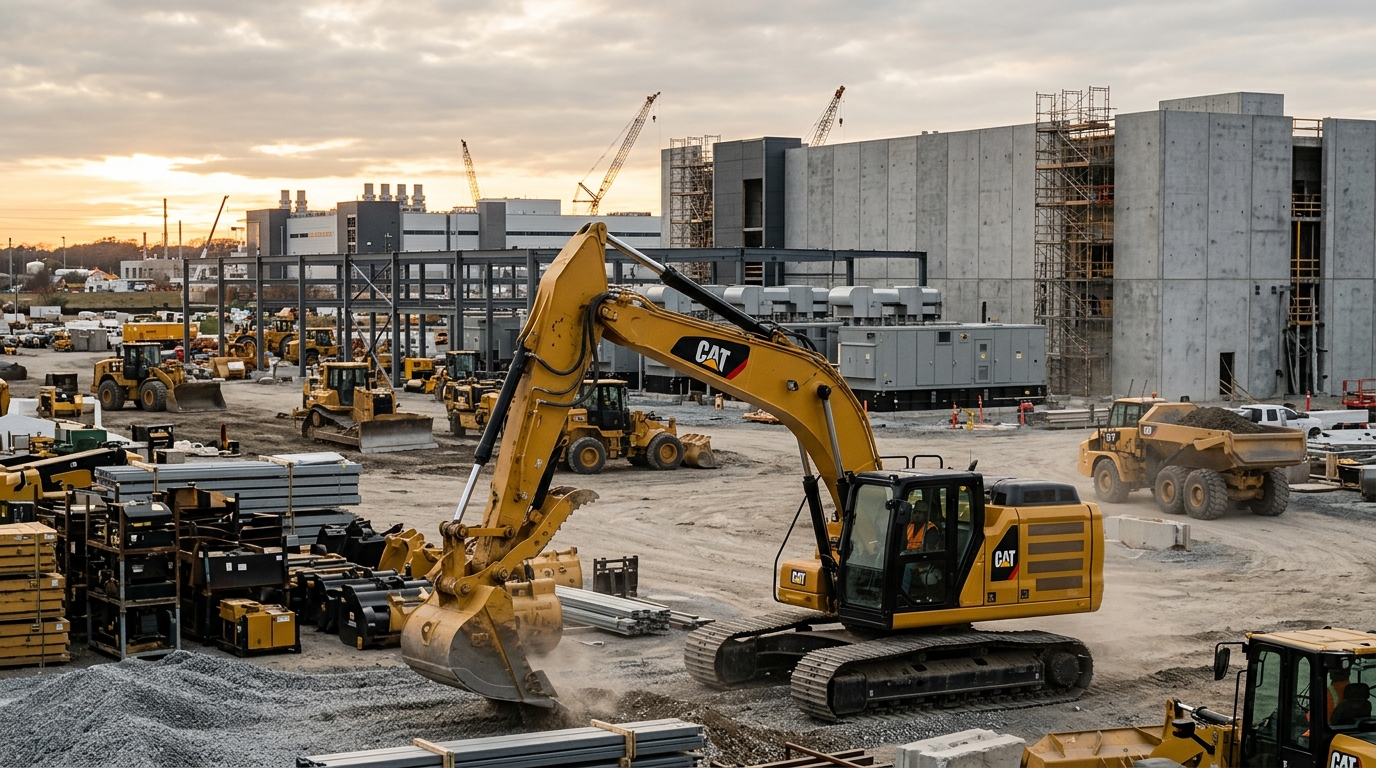
The regulatory friction is genuine. A Brookings Institution analysis cited Data Center Watch in reporting that the first three months of 2026 saw local opposition block or delay 75 data center projects worth about $130 billion in planned construction, a three-month tally it said matched the entire prior year. CoreWeave is also navigating increasing scrutiny around energy use and emissions reporting as state-level requirements take effect.
Management’s response is worth understanding. CEO Michael Intrator has argued that moratoriums will affect where data centers get built, but not the underlying demand. CFO Nitin Agrawal said the company has 4.2 gigawatts of contracted power, plus about 1.5 GW of powered-land options and executed letters of intent, which the company frames as close to 6 GW of visibility. The geographic flexibility is built in.
Contracts are diversifying too. In late August, CoreWeave announced a multi-year AI cloud infrastructure deal with quantitative trading firm Hudson River Trading, expanding its presence into GPU-based compute for financial market AI models. Earlier in Q2, Meta and CoreWeave announced a $21 billion expanded AI infrastructure agreement, and CoreWeave announced a multi-year agreement with Anthropic. A customer list that spans hyperscale AI builders and high-frequency trading firms is not the profile of a single-thesis company.
The stock recovered modestly this week. CRWV traded nearly 4% higher on Wednesday as investors returned to AI infrastructure stocks. CoreWeave is held by several AI-focused ETFs, but the specific fund names and weightings cited in the original draft could not be verified as stated, and ETF holdings can change quickly.
The real risk here is not moratoriums. It is leverage. CoreWeave’s financing appetite is still large, and in August the company announced a $2.6 billion loan facility priced at SOFR plus 5.50%. In a high-rate environment, the returns on every data center deployment have to work harder for equity holders. That math deserves attention.
The wealth takeaway is straightforward: the regulatory noise shifted where CoreWeave builds, not whether its customers pay. A $104 billion revenue backlog does not evaporate because a county council objects to a cooling tower. Investors who sold the September dip handed the recovery to someone else.